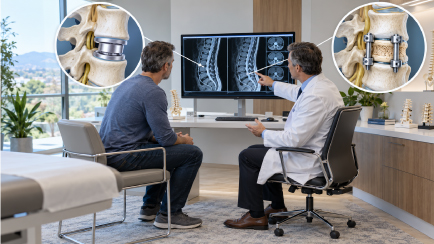
Spinal Tuberculosis (Pott’s Disease): Symptoms, Diagnosis and Treatment
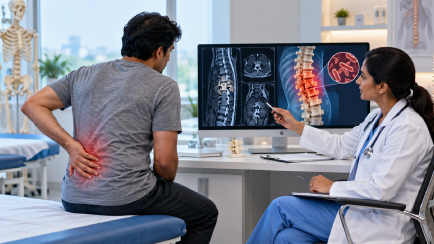
Back pain is common, and most episodes are unrelated to tuberculosis. However, persistent pain accompanied by other concerning changes may need assessment for infection or another underlying condition.
Spinal tuberculosis, also called Pott’s disease, is a TB infection affecting the spine. It can damage vertebrae and surrounding tissues and sometimes affect nearby nerves.
Spinal tuberculosis symptoms may develop gradually, so the condition cannot be identified by pain intensity alone. Diagnosis involves the medical history, examination, imaging and, when appropriate, testing a tissue sample. Treatment is planned according to the infection and any effect on spinal stability or nerve function.
What Causes Spinal Tuberculosis?
Tuberculosis is caused by Mycobacterium tuberculosis. Although it commonly affects the lungs, it can involve other parts of the body, including the spine.
The bacteria may reach the spine through the bloodstream from another site. A person does not need to have a prominent cough when spinal disease is identified.
Tell the doctor about previous TB treatment, known exposure, diabetes, immune-related conditions and current medicines. These details help guide assessment but do not, by themselves, confirm the diagnosis.
What Are the Possible Spinal Tuberculosis Symptoms?
Persistent localised back pain
Pain may develop gradually and remain focused around an affected area. Stiffness and difficulty with ordinary movement may occur.
Describe when the pain began, whether it is worsening and how it affects walking, sleep or daily tasks. Persistent pain deserves evaluation, but it should not automatically be attributed to TB.
General health changes
Possible accompanying symptoms include fever, night sweats, fatigue, reduced appetite and unintended weight loss. These symptoms can also occur with other illnesses.
Not everyone has all these features. Their absence does not replace a proper assessment when the history or examination raises concern.
Nerve-related symptoms or changes in posture
In some cases, infection, damaged bone or an abscess can affect the spinal cord or nerves. Symptoms may include weakness, altered sensation or difficulty walking.
A change in spinal shape may develop when vertebrae are damaged. These findings influence treatment decisions and require assessment of both the infection and the spine’s mechanical support.
Which Symptoms Need Urgent Assessment?
Seek urgent medical assessment for new or worsening limb weakness, rapidly increasing difficulty walking, or loss of bladder or bowel control.
These symptoms have several possible causes and should not be treated as proof of spinal TB. They require prompt examination because they may indicate pressure on important nerve structures.
When contacting a medical service, explain exactly what changed and when. Mention any known spinal infection or ongoing TB treatment.
How Is Spinal Tuberculosis Diagnosed?
Assessment usually includes a neurological examination and review of symptoms, health history and previous investigations.
Possible tests include:
- MRI: To assess affected bones, soft tissues, abscesses and nerve structures.
- Blood tests: To support assessment and monitor health during treatment.
- Tissue sampling: To help identify the infection and distinguish it from other conditions.
- Molecular testing and culture: To detect TB bacteria and assess drug resistance when suitable samples are available.
Imaging can suggest spinal TB, but other infections and some tumours can resemble it. Tissue testing may therefore be important.
What Does Spinal Tuberculosis Treatment Involve?
Anti-tuberculosis medicines
A combination of medicines treats the infection. The regimen and duration depend on clinical findings, drug susceptibility and the treating team’s assessment.
Take medicines exactly as prescribed. Do not stop because pain has improved or adjust doses independently. Report side effects promptly so the team can assess them and advise on treatment. Inappropriate interruption can contribute to drug resistance.
Surgery in selected circumstances
Not every patient needs surgery. It may be considered for spinal instability, significant deformity, neurological deterioration, certain abscesses or an inadequate response to medical treatment.
The purpose should be explained clearly: obtaining tissue, relieving pressure, addressing infection or stabilising the spine. Surgery does not automatically replace the need for anti-TB medicines.
What Matters During Recovery?
Follow-up reviews symptoms, walking ability, nerve function, treatment tolerance and investigation results. Ask how these findings will guide activity and rehabilitation.
Before returning to lifting, exercise or manual work, obtain advice about your particular spinal involvement. Keep a medicine record and bring previous scans to appointments.
Conclusion
Spinal tuberculosis symptoms can overlap with other causes of back pain. A consultation with Spine Care can help assess persistent symptoms, determine appropriate investigations and discuss treatment according to the diagnosis, spinal stability and nerve findings.
FAQs
Does spinal tuberculosis always cause fever or coughing?
No. Symptoms depend on the site and extent of disease. Spinal involvement can occur without a prominent cough.
Can an MRI alone confirm spinal TB?
MRI can show changes suggesting infection, but it may not establish the organism responsible. Tissue and microbiological testing may be required.
Does every patient with spinal TB need surgery?
No. Many patients receive medical treatment, while surgery is considered for particular complications or clinical findings. The decision is individual.